What This Service Includes
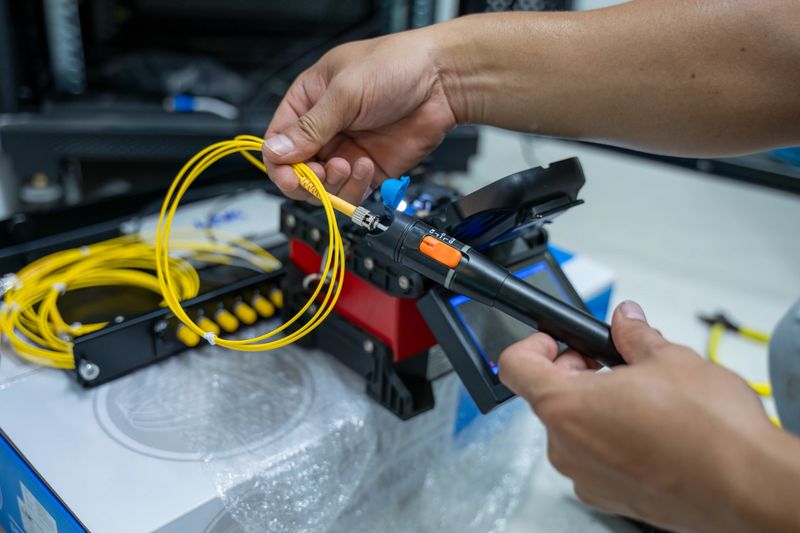
Professional Fiber Optic Installation
Our expert team ensures seamless fiber optic installation for your business, providing high-speed connectivity and reliable performance.
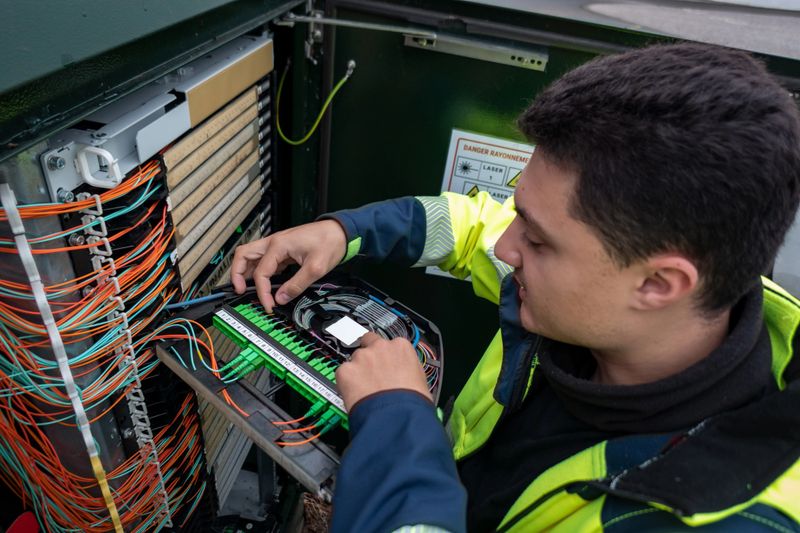
Quickly address any fiber optic issues with our troubleshooting and repair services, ensuring your network remains operational without delay.
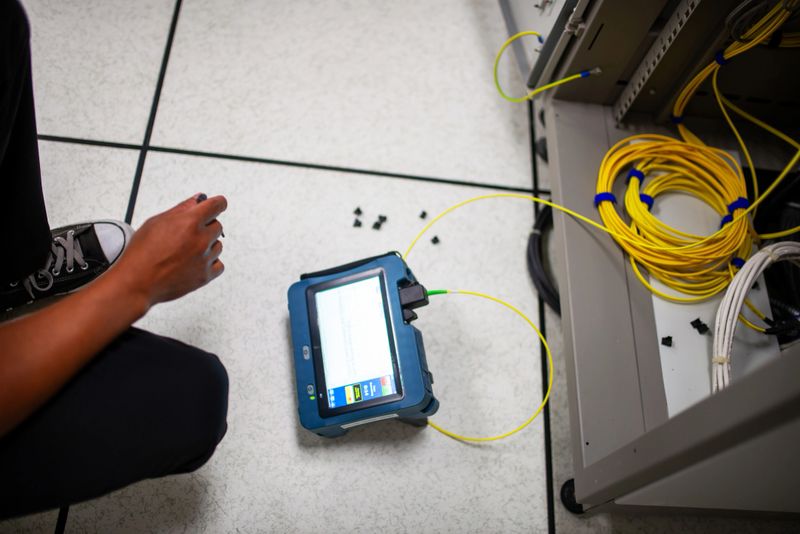
Receive thorough testing and certification for your fiber optic installations, ensuring they meet industry standards for optimal performance.
Is Fiber Optic Cabling Right For Your Network?
In the world of networking, speed is everything and the faster you can get your data the better... and we all realize that when we have a slow Internet connection.
Of course things like reliability are also important but if your network is crawling then it won't make much difference if you can't do your work or access your files because things are too slow. Network cabling makes a big difference when it comes to reliability and performance since it's the medium that carries the data over the network.
Fiber vs Ethernet
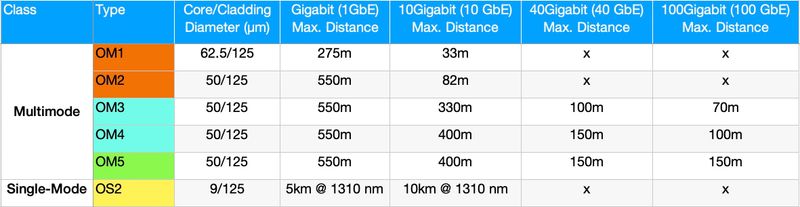
Because fiber optic cables use light rather than an electrical signal they are not affected by RFI (radio frequency interference) or EMI (electro-magnetic interference). Using this method also allows for the use of longer cable runs because the signal does not have to be repeated or regenerated to keep its signal strength. Fiber optic cable does have distance limitations though which varies depending on the type and speed. For example 100Mbps cabling has a limit of 2 kilometers while 10Gbps cabling has a limit of only 300 meters depending on the specifications of the cable. Fiber optic cabling also comes in a 10Gbps speed with 40Gbps and 100Gbps starting to make their way into datacenters as well.
Connector Types
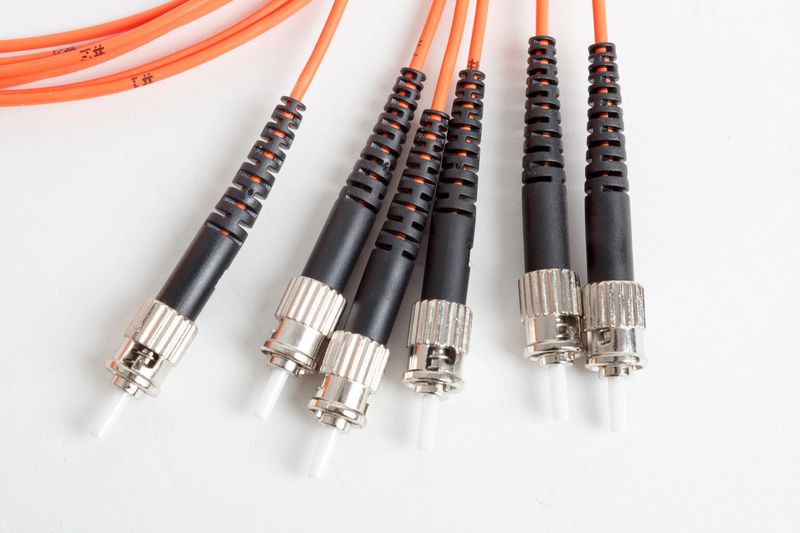
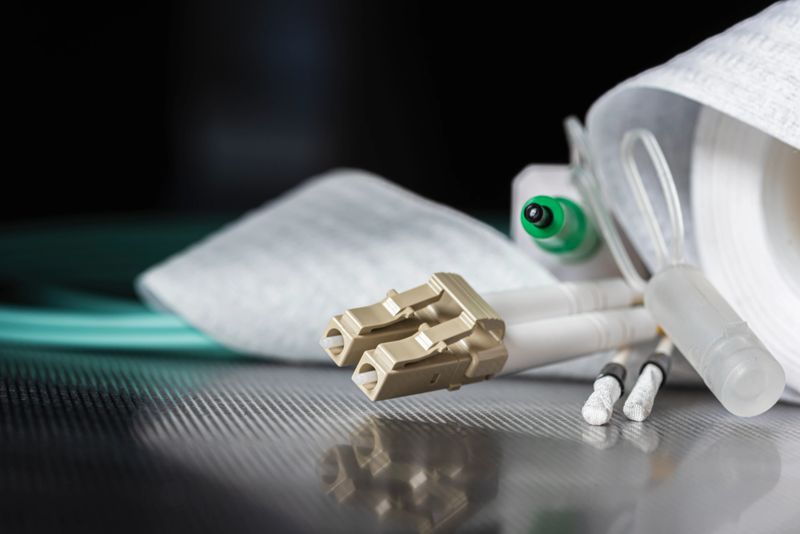
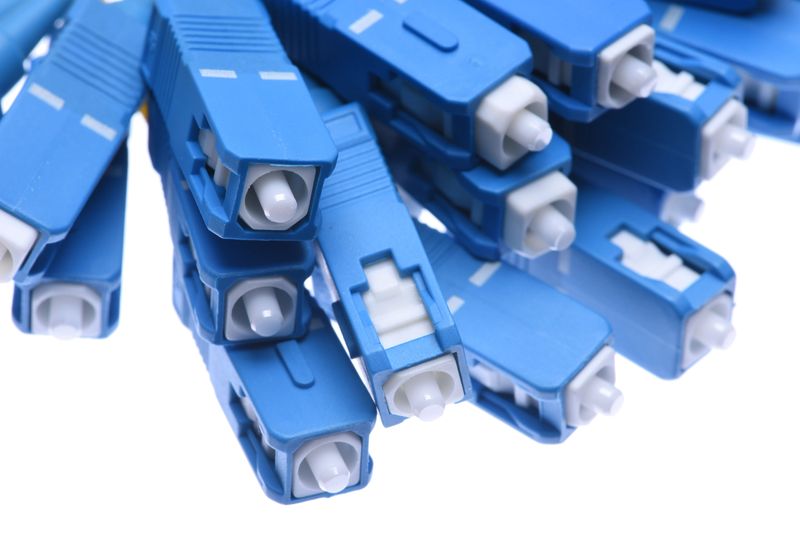
As for the cable connectors there are 3 main types that are in use today. Sure there are others but these 3 are the most common.
ST - Stands for Straight Tip and uses a keyed bayonet design which is similar to that of a BNC connector
LC - Stands for Lucent Connector and provides the smallest form factor. It comes with a locking tab to keep it secure.
SC - Stands for Standard Connector and is a low cost cable that also comes with a locking tab to keep it secure.
Fiber Specifications Simplified
Which fiber optic cable is right for your network?